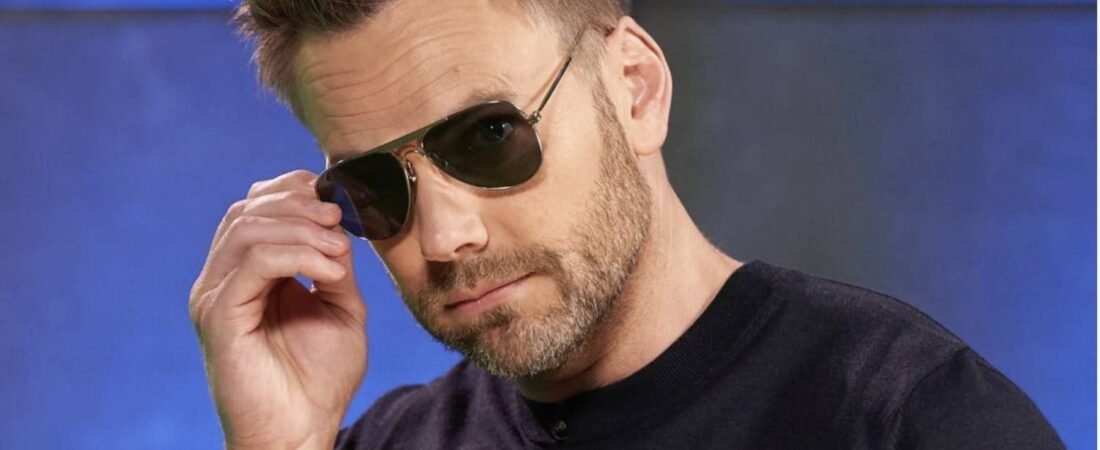
Celebrity hair transformations usually produce years of rumors, questionable photo comparisons, and anonymous expert opinions. Joel McHale chose a more entertaining path: he openly admitted that his fuller hairline was not simply the result of fortunate genetics.
I find his honesty as interesting as the transformation itself. Joel McHale was okay with his hair plugs, although “modern hair transplants” is the more accurate description of his procedures. The Community star has discussed his hair loss, praised advances in restoration technology, and joked about the lengths he took to preserve his on-camera appearance.
His story includes four procedures, an uncomfortable strip surgery, a switch to modern follicular extraction, and approximately $10,000 in reported costs. More importantly, McHale appears genuinely satisfied with the decision.
Did Joel McHale Really Get Hair Plugs?
Yes, McHale has publicly confirmed undergoing hair restoration surgery. However, describing every procedure as “hair plugs” can create the wrong impression.
Traditional hair plugs involved moving relatively large, round groups of follicles into balding areas. Poorly designed plugs sometimes produced noticeable rows or a doll-like appearance. Modern hair transplantation uses smaller follicular units and carefully controls their placement, angle, and direction to create a more natural hairline.
McHale underwent both an older strip-based procedure and later follicular extraction. Neither should automatically be confused with the conspicuous plugs associated with early restoration surgery.
When Did Joel McHale Begin Losing His Hair?

McHale has said that he began noticing hair loss around age 18 or 19. That detail places the beginning of his experience long before he became widely recognized as the host of The Soup or as Jeff Winger on Community.
During an earlier podcast conversation with Justin Long, McHale recalled looking at promotional photographs from the beginning of The Soup and recognizing how much his hairline had changed. He joked that he might have gone overboard with restoration and connected it with a possible midlife crisis.
Early hair loss can be particularly difficult because it develops while many people are still establishing their identity and confidence. For a performer working in American television, frequent studio lighting, promotional photography, and high-definition cameras can make every physical change more noticeable.
How Many Hair Transplants Did Joel McHale Have?
McHale said in 2025 that he had undergone four hair transplant procedures. Older articles sometimes report two or three surgeries because they rely on comments he made before his latest disclosure.
Multiple procedures do not necessarily mean the first transplant failed. Male pattern baldness can continue affecting non-transplanted follicles. Some patients return for another session to improve density, refine the frontal hairline, cover new thinning, or create a more balanced result as their natural hair changes.
McHale’s gradual transformation may have helped his restored hairline look consistent across different stages of his career rather than creating one sudden, obvious change.
Why Did Joel McHale Dislike His First FUT Procedure?
McHale explained that his earlier surgery used the strip method, commonly known as follicular unit transplantation or FUT. During FUT, a surgeon removes a narrow strip of tissue from the donor region, usually along the back of the head. The medical team separates that tissue into individual follicular units before implanting them in thinning areas.
FUT can provide a substantial number of grafts, but it generally leaves a linear scar. McHale remembered his strip surgery as painful and publicly advised people against choosing that method based on his own experience.
His comments reflect his personal outcome rather than a universal medical recommendation. Some US surgeons still use FUT for carefully selected patients, particularly when donor-hair preservation or a large graft session is a priority.
Why Did McHale Call Modern FUE a Miracle?

McHale became far more enthusiastic when discussing the newer extraction process. Follicular unit extraction, or FUE (Follicular unit extraction), removes small follicular units individually from the donor area instead of removing one strip of scalp.
He described the technology as having “gone bananas” and called individual follicle extraction a “miracle.” His comments provide some of the clearest evidence that he was pleased with his later procedures.
FUE usually produces tiny extraction marks rather than one long scar. It can also provide more flexibility for people who prefer shorter hairstyles. Nevertheless, it remains a surgical procedure that requires careful planning. Natural results depend on donor quality, hairline design, graft survival, follicle direction, aftercare, and the qualifications of the surgical team.
Who Was Joel McHale’s Hair Transplant Surgeon?
McHale has publicly thanked Los Angeles hair restoration surgeon Dr. Parsa Mohebi and identified him in connection with his transplant journey. Dr. Mohebi has also discussed McHale’s earlier comments about his results.
It is safest not to assume that one surgeon necessarily completed every procedure McHale received over many years unless complete medical records or a direct statement confirms it. What is publicly established is that McHale connected Dr. Mohebi with his treatment and expressed gratitude toward him.
That disclosure is unusual in Hollywood, where cosmetic work often remains private. It also reinforces McHale’s broader message about researching a qualified provider instead of choosing surgery based only on price.
How Much Did Joel McHale’s Hair Restoration Cost?
McHale reported spending approximately $10,000 on his procedures, while noting that prices may have increased. He did not provide an itemized bill, individual session prices, or a confirmed graft total.
Hair transplant costs in the United States vary considerably. Pricing can depend on the surgeon’s experience, clinic location, technique, graft requirements, treatment complexity, and number of sessions.
McHale joked about recommending someone in Turkey, a widely discussed destination for medical tourism, but said his treatment took place in Los Angeles. He also warned against assuming that an unusually inexpensive procedure offers the same quality.
His point was simple: careful surgeon selection matters when the outcome permanently affects a person’s appearance.
Was the Hair Transplant a Career Investment?
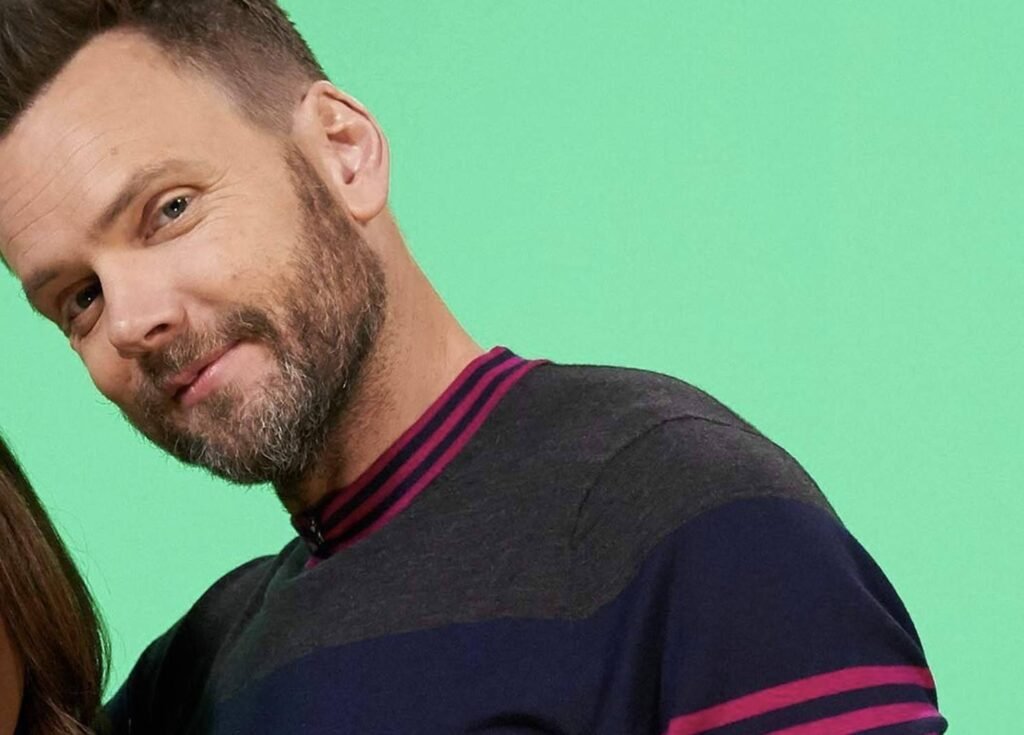
It is reasonable to recognize that appearance can influence an entertainer’s confidence and visual consistency, but McHale has not clearly described his surgeries as a calculated career investment.
Instead, he approached the subject through humor. While discussing his hair and a possible midlife crisis, he joked that his theory was that he was “never going to die.” The remark sounds more like a playful response to aging than a serious financial strategy.
Still, maintaining a familiar appearance may have professional value for an actor and television host. McHale’s fuller hairline became part of the polished look audiences associated with his later work.
What Does Joel McHale’s Hair Look Like Before and After?
Early photographs show a higher frontal hairline and more visible temple recession. Later appearances reveal greater density and a more defined hairline. Fans have particularly compared photographs from The Soup, early Community episodes, later seasons, and recent red-carpet appearances.
Photographs alone cannot establish procedure dates, graft counts, medications, or surgical methods. Lighting, hair length, styling products, camera angles, and professional grooming can all affect perceived density. In McHale’s case, the pictures illustrate the transformation, while his own statements confirm the surgery.
Frequently Asked Questions (FAQs)
1. Was Joel McHale happy with his hair transplant results?
Yes. Joel McHale was okay with his hair plugs and has spoken enthusiastically about his modern hair transplant results. He praised newer technology, highlighted his fuller hair, and described individual follicle extraction as a miracle.
2. Did Joel McHale undergo FUT or FUE?
McHale said his earlier treatment involved the painful strip method associated with FUT. His later comments describe individual follicle extraction, commonly associated with modern FUE hair transplantation.
3. Did Joel McHale travel to Turkey for hair restoration?
No. Although he joked about Turkey during a podcast conversation, McHale said his own procedures occurred in Los Angeles.
4. Does Joel McHale wear a wig or hairpiece?
McHale has confirmed receiving hair transplants rather than relying on a wig for the transformation he discussed. Claims about additional cosmetic methods should not be made without reliable confirmation.
The Truth Behind McHale’s Fuller Hairline
When I examine Joel McHale’s hair journey, I see no need for exaggerated rumors. He began losing hair when he was young, pursued several procedures, endured an uncomfortable strip surgery, and later embraced more advanced follicular extraction.
His story stands out because he did not treat restoration as an embarrassing secret. He openly discussed four procedures, praised the technology, acknowledged the expense, thanked a surgeon, and joked about his reasons.
Whether someone chooses surgery, medication, a shaved head, or no intervention at all remains personal. McHale’s experience simply demonstrates that honest conversations about male pattern baldness can be confident, practical, and surprisingly funny.
P.S. – Image Credit: Instagram – https://www.instagram.com/thejoelmchaleshow/?__pwa=1#