
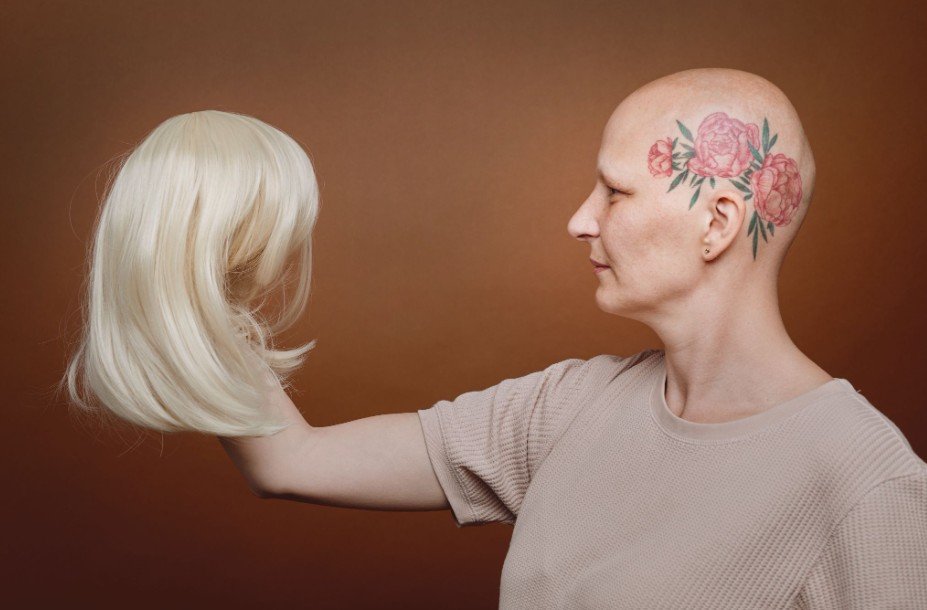
Choosing a wig after medical hair loss involves more than finding an attractive color or flattering cut. You need something that feels comfortable, stays secure and works with your everyday routine. When comparing human hair vs synthetic wigs for alopecia, I consider realism, maintenance, climate, styling freedom, scalp sensitivity and total ownership cost.
Human hair offers realistic movement and greater styling flexibility. Synthetic hair delivers convenient style retention at a lower initial price. Neither option wins for everyone because the best wig must suit your hair-loss pattern, energy level and lifestyle.
Which Wig Type Is Better for Alopecia?
Human hair may suit you if natural movement, long-term wear and styling freedom matter most. You can usually straighten, curl and professionally customize a quality human hair wig. However, you must wash, condition, dry and restyle it much like biological hair.
Synthetic wigs work particularly well for beginners and anyone who wants a reliable shake-and-go style. They keep their preset curls, waves or volume after washing and generally require less daily preparation. This convenience can feel especially valuable when fatigue, autoimmune symptoms or a demanding schedule leaves little energy for styling.
How Do Human Hair Wigs Look and Perform?
Human hair wigs use collected human hair, which allows the strands to move, fall and reflect light naturally. This realism can provide reassurance for someone experiencing complete hair loss who wants a familiar appearance.
Quality varies considerably. Remy human hair retains aligned cuticles, helping the strands stay smoother and resist tangling. Non-Remy hair may undergo more processing and receive silicone coatings that initially create softness but gradually wash away. Understanding that difference can prevent disappointment when comparing prices.
Can You Style and Color Human Hair Wigs?

Most human hair wigs tolerate blow-drying, curling and straightening when you use reasonable temperatures and heat protection. A wig stylist can also customize the cut, density and face-framing layers.
Coloring requires more caution. Some wigs accept professional color, but previous manufacturing treatments can make results unpredictable. Darkening may be safer than aggressive lighting, yet every piece differs. Always check the manufacturer’s instructions before applying dye or chemicals.
How Long Does a Human Hair Wig Last?

A well-maintained human hair wig may last one year or longer with regular wear. Premium pieces worn carefully and rotated with other wigs can sometimes last several years. Length, friction, heat exposure, processing and washing frequency all affect durability.
The higher purchase price represents only part of the cost. Human hair may also require sulfate-free products, deep conditioning, heat protection, professional trimming and occasional restyling. It can deliver strong long-term value, but only when you can maintain it consistently.
Why Are Synthetic Wigs Popular for Medical Hair Loss?
Synthetic wigs use engineered fibers that mimic the appearance and texture of hair. Modern versions can look remarkably natural, especially when they include rooted colors, realistic density, a lace front or a monofilament part.
Their greatest advantage is style memory. If you wash a wavy synthetic wig correctly, it normally dries back into its original waves without blow-drying or curling. Traditional synthetic hair also handles humidity better than human hair because its preset style does not respond to moisture in the same way.
Can Synthetic Wigs Look Natural?
High-quality synthetic fibers can create a convincing everyday look. Lower-priced pieces may appear excessively shiny or dense, but thoughtful cap construction and multidimensional color can improve realism considerably.
Once the wig creates a natural-looking foundation, applying professional style tips for bald women can help coordinate it with workplace clothing, accessories, makeup, and eyewear.
Traditional synthetic hair cannot usually tolerate hot tools and may melt or distort near intense heat. Heat-friendly synthetic wigs permit limited styling at the manufacturer’s approved temperature. They offer more flexibility but can develop friction damage faster than some standard synthetic fibers.
How Long Does a Synthetic Wig Last?
A synthetic wig commonly lasts several months with frequent wear. Friction from collars, pillows, car headrests and scarves gradually causes tangling, frizzing and rough ends, particularly on shoulder-length or long pieces.
Proper storage, wig-specific products and gentle detangling can extend its useful life. Rotating two synthetic wigs can also reduce daily wear. Although each piece costs less than most human hair wigs, frequent replacement may raise the total annual expense.
Human Hair vs Synthetic Wigs for Alopecia and Lifestyle
Your morning routine can make the choice easier. Human hair may fit your life if you enjoy changing your part, alternating between straight and curled looks or professionally matching a specific texture. Synthetic hair may be better if you want predictable results with minimal work.
Choosing a wig that feels authentic and manageable can also strengthen dating confidence for bald women with alopecia, especially when preparing profile photos, social outings, or conversations about hair loss.
Climate deserves attention, too. Human hair can lose curls, flatten or frizz in humid and rainy weather. Synthetic fibers usually retain their shape more effectively, although they are not completely weatherproof. Sunlight, heat, rain and repeated friction can still shorten their lifespan.
Many people use both types. They may reserve a premium human hair wig for work and special occasions while using an affordable synthetic piece for travel, exercise or outdoor activities. A second wig also gives the primary piece time to dry and rest after cleaning.
Does Cap Construction Matter More Than Wig Fiber?
For alopecia, the interior cap can affect comfort and security more than the visible hair. Human hair does not automatically feel better against a bare scalp because the cap, seams and attachment points actually touch the skin.
A monofilament top creates the appearance of individual hairs growing from the scalp and allows flexible parting. A lace front produces a natural-looking hairline, making it easier to wear hair away from the face. A fully hand-tied cap encourages realistic movement and may provide a softer interior.
People with alopecia totalis or universalis may benefit from silicone grip areas, adjustable tabs and medical-style caps designed for complete hair loss. Bamboo or silk-like linings can create a smoother barrier for sensitive skin. Inspect clips and combs carefully because attachments designed to grip biological hair may press uncomfortably against an exposed scalp.
How Can I Make a Wig Comfortable on a Sensitive Scalp?
Measure your head before purchasing because incorrect sizing causes slipping, pressure and irritation. Test the wig while walking, bending and turning your head. A proper fit should feel secure without creating painful tension around the temples or behind the ears.
Keep the scalp clean and dry, and wash the wig according to its fiber type. If you use adhesive, tape or a wig grip, patch-test the product first. Persistent burning, sores, scaling or redness deserves medical attention, particularly when you have active inflammatory or scarring alopecia.
Can US Insurance Cover an Alopecia Wig?

Some American health insurance plans may provide partial reimbursement when a licensed clinician prescribes a wig for medically related hair loss. Insurers may call it a cranial prosthesis or hair prosthesis rather than a cosmetic wig.
Contact your insurer before buying and ask about diagnosis requirements, documentation, approved vendors, reimbursement limits and deductibles. Keep the prescription and itemized receipt. Depending on current eligibility rules, an FSA or HSA may also help with qualified costs, so confirm the details with your plan administrator.
Frequently Asked Questions
1. Which option wins when comparing human hair vs synthetic wigs for alopecia?
Human hair wins for natural movement, potential longevity and styling versatility. Synthetic hair wins for affordability, style retention and simple care. Your scalp comfort, routine and budget should determine the final choice.
2. Is human hair always more comfortable on a bald scalp?
No. Comfort depends primarily on cap size, lining, seams, ventilation and attachment features. A well-constructed synthetic medical wig may feel better than a poorly fitted human hair piece.
3. What wig is best for alopecia universalis?
A full wig with a soft, secure cap often works well when no biological hair remains. Consider silicone grips, hand-tied construction, minimal internal clips and breathable lining.
4. Can I wear a synthetic wig every day?
Yes. Follow the care instructions, avoid sleeping in it, manage friction and maintain scalp hygiene. Rotating between two wigs may improve comfort and extend each piece’s usable life.
Your Comfort Makes the Final Call
I would choose a wig only after considering how it feels, behaves and fits into everyday life. A beautiful piece loses its value if it irritates the scalp or demands more maintenance than you can comfortably manage.
Human hair provides premium realism and creative freedom, while synthetic hair offers practical convenience and dependable styling. Try different cap constructions, inspect the hairline in natural light and calculate the likely yearly cost. The right wig should support your confidence without becoming another daily burden.