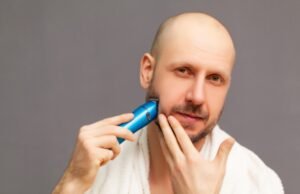

When I first noticed tightness and flakes after shaving my scalp, I assumed I only needed more moisturizer. The real solution was more complete. Learning how to treat dry skin on a shaved head meant improving how I cleansed, shaved, hydrated, and protected the exposed skin.
Hot water, harsh cleansers, repeated razor passes, cold air, and strong aftershave products can weaken the scalp’s moisture barrier. The goal is to reduce irritation, replace moisture, and stop the next shave from restarting the cycle.
Why Does a Shaved Scalp Become Dry?
Hair provides protection from wind, sunlight, and friction. Once removed, the scalp is directly exposed to weather, hats, pillowcases, and grooming products.
Shaving also removes surface cells and natural oils. A dull blade, heavy pressure, or repeated passes can damage the skin barrier. Hot showers and strong soaps make matters worse by stripping additional oil.
Water also evaporates quickly from exposed skin. Moisturizing while the scalp is slightly damp is more effective than waiting until it feels tight.
Dry Skin, Dandruff, or Razor Burn?
Dry Skin
Dry scalp usually causes small white flakes, tightness, roughness, and mild itching. It may feel worse after showering, shaving, or spending time in dry weather.
Dandruff
Dandruff may create larger white or yellow flakes. The scalp can appear greasy, red, or persistently itchy. Moisturizer alone may not resolve it.
Razor Burn
Razor burn appears soon after shaving and can cause redness, stinging, tenderness, and irritated bumps. Moisture helps, but shaving technique must also improve.
Thick plaques, spreading redness, painful bumps, drainage, or severe itching may indicate dermatitis, psoriasis, folliculitis, or another condition requiring professional care.
A Seven-Step Routine for Relief

1. Wash With Lukewarm Water
Hot water removes protective oils and increases tightness. Keep showers short and avoid scrubbing the scalp with a rough washcloth.
2. Use a Gentle Cleanser
Choose a mild, fragrance-free face or scalp cleanser instead of deodorant soap or fragranced body wash. Cleanse once daily unless sweat or heavy buildup requires another wash.
A cleanser should leave the scalp comfortable rather than squeaky, dry, or tight. Strong foaming does not necessarily mean a product cleans more effectively.
3. Pat the Scalp Dry
Rubbing with a towel creates friction on freshly shaved skin. Pat gently and leave the scalp slightly damp before applying the next product.
Use a clean, soft towel and wash it regularly. Towels that contain detergent residue, fragrance, oil, or bacteria may aggravate sensitive skin.
4. Moisturize Immediately
Apply fragrance-free moisturizer within a few minutes of washing. Look for glycerin or hyaluronic acid to attract water, ceramides to support the barrier, and dimethicone or petrolatum to reduce moisture loss. Colloidal oatmeal may calm itching.
A lightweight lotion may suit oily skin. A richer cream can help pronounced dryness, especially at night. Start with a small amount and add more only when needed, since heavy layers may make the scalp greasy or contribute to clogged pores.
5. Remove Irritating Aftershave
Traditional aftershaves may contain drying alcohol or fragrance. Stop using any product that burns. Choose a bland, alcohol-free balm without strong fragrance or cooling agents.
A tingling sensation does not mean the product is healing the scalp. Burning can be a warning that the formula is irritating freshly shaved skin.
6. Improve Your Shaving Method
Soften the scalp with warm water and apply shaving cream or gel. Use a clean, sharp blade and shave with the direction of hair growth during the first pass.
Do not press hard or repeatedly shave one area. Replace blades that pull or require extra pressure. Rinse the razor regularly so hair, skin cells, and shaving cream do not block the blade.
Electric shaver users should clean the cutting head and avoid forcing it against irritated skin. When the scalp is already inflamed, waiting before the next close shave may give the barrier time to recover.
7. Protect the Exposed Scalp
Apply broad-spectrum SPF 30 or higher during daytime exposure. Reapply after extended outdoor activity or heavy sweating.
Sun, wind, air conditioning, and cold weather can worsen dryness. A clean, soft hat can reduce exposure, but wash it regularly to prevent irritation from sweat and residue.
Sunscreen should become part of the daily scalp routine rather than something reserved for particularly sunny days. An exposed head can receive significant ultraviolet exposure during commuting, exercising, gardening, or other ordinary activities.
Should You Exfoliate a Dry Shaved Scalp?

Exfoliation may help rough buildup, but it should not be used on active redness, cuts, or stinging skin. Wait until irritation settles, then try a gentle chemical exfoliant no more than once weekly.
Avoid gritty scrubs, stiff brushes, and aggressive rubbing near shaving days. Do not combine exfoliating acids, retinoids, and a close shave on the same day because excessive exfoliation can weaken the skin barrier and create more flakes.
Reduce the frequency or stop completely if the scalp becomes tender, shiny, red, or unusually sensitive.
How to Prevent Future Flaking
Cleanse gently, shave with lubrication, moisturize while damp, and use sunscreen. Wash razors and electric shaver heads after use, change pillowcases regularly, and introduce one new product at a time.
Once dryness and irritation are under control, these makeup tips for women with shaved heads can help you blend complexion products across the face and scalp without emphasizing flakes or rough patches.
Patch-test unfamiliar formulas before covering the scalp, especially if your skin is sensitive or eczema-prone. Applying a small amount for several days can help reveal irritation before the product is used more widely.
A calm, well-moisturized scalp can also make your first time going out bald as a woman feel more comfortable by reducing visible flakes, redness, and post-shave irritation.
A humidifier may help in very dry rooms, although it does not replace moisturizer. Drinking enough fluids supports general health, but topical products are still needed to reduce water loss from the skin.
Frequently Asked Questions
1. What Is the Best Way to Learn How to Treat Dry Skin on a Shaved Head?
Begin with lukewarm cleansing, immediate fragrance-free moisturizer, better razor technique, and daily sun protection. Remove products that sting. Seek medical advice if symptoms continue or worsen.
2. Can I Use Face Moisturizer on My Shaved Scalp?
Yes. A simple face moisturizer can work if it is fragrance-free, non-irritating, and suitable for your skin type. Test a small amount first to check for bumps, burning, or excess shine.
3. How Often Should I Moisturize?
Apply moisturizer after cleansing and again whenever the scalp feels dry. A light lotion can work during the day, while a richer cream may feel better overnight.
There is no need to follow a rigid schedule if the scalp remains comfortable. Adjust the amount according to weather, shaving frequency, and how dry the skin feels.
4. When Should I See a Dermatologist?
Seek an evaluation for persistent redness, pain, swelling, thick scaling, bleeding, pus-filled bumps, patchy hair loss, or dryness that does not improve with gentle care.
Professional guidance is also useful when flakes appear greasy or yellow, since the issue may be dandruff or seborrheic dermatitis rather than ordinary moisture loss.
Final Thoughts
I have found that a comfortable shaved scalp depends more on consistency than on owning many products. Gentle washing, careful shaving, immediate moisture, and sun protection solve more problems than harsh scrubs or alcohol-heavy aftershaves.
I also watch for symptoms that do not behave like ordinary dryness. When flakes become greasy, redness spreads, or irritation persists, professional guidance is safer. A smooth scalp should feel calm and flexible, not tight, burning, or constantly itchy.