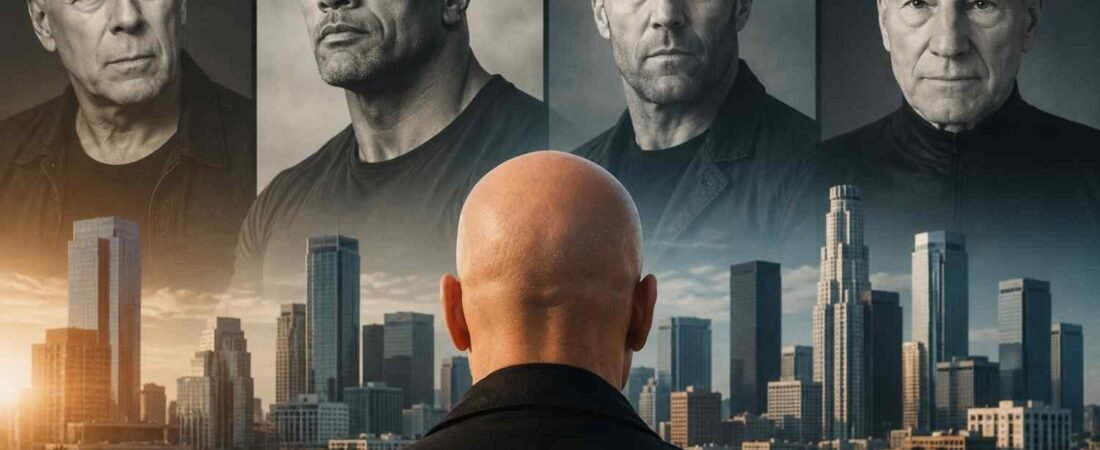
There was a time when losing your hair was something many people tried to hide. Today, that conversation feels very different. A shaved head has become a deliberate style choice for many people, reflecting confidence instead of compromise. Whether it’s on movie screens, sports arenas, or everyday streets, bald heads are no longer viewed through the same lens they once were.
The idea of bald icon culture captures that shift perfectly. As Vogue has observed, shaved heads have evolved into a symbol of personal reinvention, individuality, and even cultural rebellion. What started as a practical grooming decision for some has become a recognizable part of modern style, proving that appearance is often about attitude more than hair.
Baldness Is No Longer Just About Hair Loss

For years, hair was closely tied to traditional ideas of youth and attractiveness. That mindset has gradually changed. Today, many people see a shaved head as a confident style statement rather than something to explain.
Part of that change comes from how society now values authenticity. People are increasingly comfortable embracing natural changes instead of trying to hide them. A clean-shaven head often communicates self-assurance, simplicity, and a willingness to own one’s appearance without apology.
Modern grooming has also made maintaining a bald look easier than ever. High-quality razors, moisturizing products, sunscreen designed for the scalp, and simple grooming routines have made the look accessible while promoting healthy scalp care.
The Public Figures Who Changed the Conversation
Confidence Became Their Signature
Some public figures became memorable not because they lost their hair but because they made it part of their identity. Their confidence shifted the conversation from appearance to personality.
Instead of treating baldness as something to overcome, they embraced it as part of their public image. Audiences responded because the look felt authentic. Their confidence came through in interviews, performances, and everyday appearances, making the shaved head feel intentional rather than accidental.
Over time, that confidence influenced fashion, entertainment, sports, and even professional workplaces. A bald look became associated with leadership, resilience, and self-confidence rather than limitation.
Style Goes Beyond Hair
Hair is only one part of someone’s overall appearance. The most recognizable bald personalities understand that style comes from the complete picture.
Well-fitted clothing, thoughtful color choices, quality footwear, and simple accessories often define the look just as much as the shaved head itself. Eyeglasses, watches, and carefully maintained facial hair create visual balance while adding personality.
Many also focus on healthy skin and consistent grooming habits. A clean scalp, moisturized skin, and attention to detail contribute to a polished appearance. These small choices reinforce the idea that personal style is built through consistency rather than trends.
Why Bald Icon Culture Connects With So Many People

One reason bald icon culture continues to grow is that it feels relatable. It represents accepting change instead of resisting it.
Many people discover that shaving their head removes the daily stress of trying to hide thinning hair or maintain hairstyles that no longer feel natural. That decision often creates a noticeable boost in confidence because it reflects acceptance rather than avoidance.
Social media has amplified this shift. Everyday creators, fitness coaches, entrepreneurs, and professionals regularly share grooming routines, style advice, and personal experiences that celebrate confidence over perfection. These stories make the look feel accessible instead of exclusive.
The movement also reflects broader conversations around self-expression. Choosing how you present yourself has become an important part of personal identity, and a shaved head can communicate confidence, simplicity, and authenticity without saying a word.
The Style Habits That Make the Look Work
A bald head rarely stands alone. The overall impression comes from several thoughtful habits working together.
- Maintain a regular grooming routine that includes scalp cleansing, moisturizing, and sun protection.
- Invest in clothing that fits well, quality footwear, and timeless wardrobe essentials that improve cost-per-wear over time.
- Keep facial hair well maintained if you choose to wear it, creating visual balance.
- Prioritize overall health, posture, and fitness, which naturally enhance confidence and presence.
These habits show that style isn’t about having more. It’s about making intentional choices that work together.
That’s also one reason conversations around why some celebrities choose to stay bald continue to attract attention. For many public figures, the shaved head has become part of a consistent personal identity, making their overall image feel authentic rather than driven by changing fashion trends.
Frequently Asked Questions: Bald Icon Culture Is Bigger Than a Hairstyle—Here’s Why
1. What does bald icon culture mean?
Bald icon culture refers to the growing acceptance and celebration of shaved heads as a symbol of confidence, individuality, personal style, and self-expression rather than simply hair loss.
2. Why has a shaved head become more popular?
Greater acceptance of diverse beauty standards, influential public figures, improved grooming products, and conversations around authenticity have all contributed to the popularity of the shaved-head look.
3. Does being bald require a different grooming routine?
Yes. A healthy scalp benefits from regular cleansing, moisturizing, gentle shaving, and sun protection to maintain comfort and appearance.
4. Can a bald look suit different personal styles?
Absolutely. A shaved head pairs well with classic, minimalist, athletic, and modern fashion styles when supported by thoughtful grooming and well-fitted clothing.
Why Confidence Leaves the Strongest Impression
Bald icon culture continues to grow because it represents something much larger than appearance. It reflects the confidence to embrace change, develop a recognizable personal identity, and focus on authenticity instead of unrealistic beauty standards. As fashion evolves and trends come and go, people continue to respond to individuals who feel comfortable in their own skin. That’s what makes this cultural shift so enduring—it isn’t built on temporary style preferences but on lasting self-confidence and personal expression.