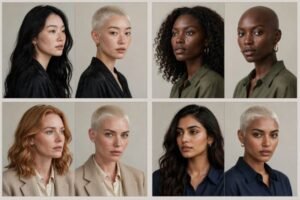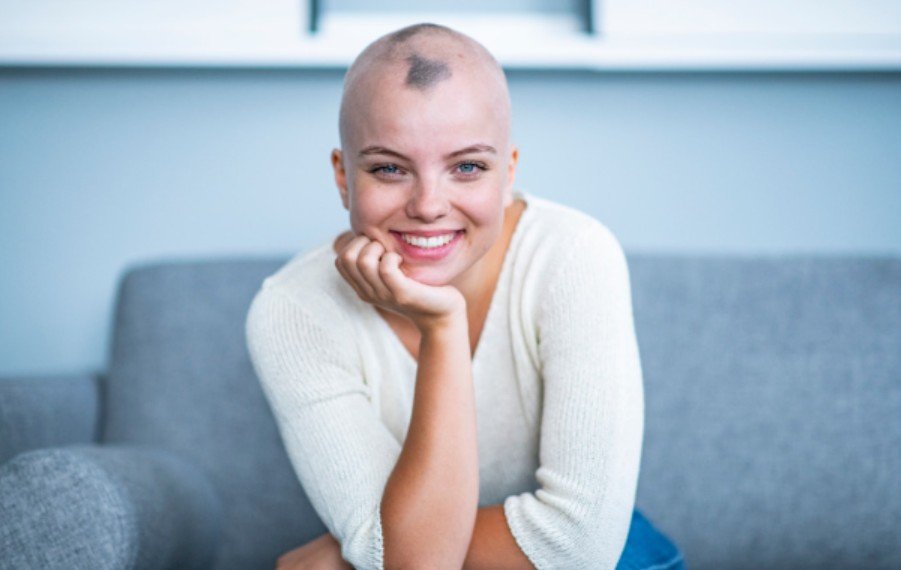
The first time I look in the mirror without my hair, I may recognize every feature on my face yet feel unfamiliar to myself. Hair loss can transform a private cancer experience into something visible. It may invite questions, sympathy, or unwanted attention before I feel ready to discuss what I am experiencing.
Building confidence in bald women after chemotherapy is not about forcing myself to call hair loss beautiful. It is a personal process of grieving, adjusting, reclaiming control, and discovering that my identity reaches far beyond my reflection. Some days may feel empowering, while others feel vulnerable. Both responses are valid.
Why Does Chemotherapy Hair Loss Affect Self-Confidence?
Hair often represents femininity, cultural identity, personal style, and privacy. Losing it can affect self-worth even when I understand that the change may be temporary. Eyebrow and eyelash loss can make the difference feel more dramatic because those features help frame facial expressions.
A bald head can also become a public indicator of illness. I may worry that strangers will stare, coworkers will pity me, or friends will treat me differently. These concerns do not make me superficial. They reflect a natural desire to control how others see me and what personal information I reveal.
Chemotherapy-related hair loss can also intensify an existing loss of control. Medical appointments, physical examinations, and treatment schedules may already dominate my life. When my appearance changes without my permission, it can feel like another decision taken away from me.
Can Shaving My Head Help Me Reclaim Control?

Watching hair fall onto a pillow, collect in the shower, or come away in my hands can feel distressing. Some women choose to cut their hair short or shave it once shedding becomes significant. Making that decision intentionally may restore a sense of agency and end the uncertainty of waiting.
However, shaving is not automatically empowering for everyone. I might prefer to let my hair fall naturally, wear a short style temporarily, or ask a trusted stylist for help. The right choice is the one that reduces my distress and respects my emotional readiness.
If my scalp feels painful, irritated, or unusually sensitive, I should ask my oncology team for guidance before shaving. Using clean tools and avoiding an excessively close shave may help reduce cuts and irritation when treatment has affected my skin or immune system.
How Can I Feel Comfortable Going Out Bald?
Confidence usually grows through small experiences rather than one dramatic public appearance. I can begin with a short walk, a drive, or a visit to someone I trust. A quiet coffee shop or familiar grocery store may feel more manageable than a crowded party or major work event.
I can also prepare a simple response for questions. Saying, “My appearance changed because of treatment, but I would rather discuss something else,” creates a clear boundary. If I do not want to disclose my diagnosis, I can say, “It is personal, but I appreciate your understanding.”
Repeated outings can make my new appearance feel less unfamiliar. Success does not mean nobody looks at me. It means I complete the activity while protecting my comfort, privacy, and energy.
Should I Go Bald or Wear a Wig, Hat, or Scarf?
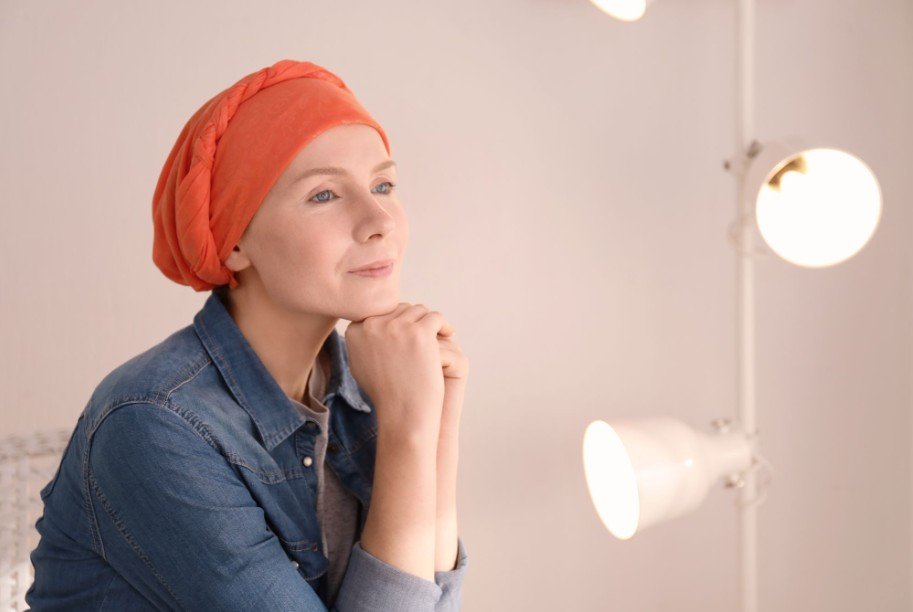
Going bald is not inherently braver than wearing a head covering. A wig can help me feel recognizable at work, while a cotton cap may provide comfort at home. I might wear a colorful scarf for lunch and uncover my head later. I do not need to make one permanent choice.
Comparing human hair vs synthetic wigs for alopecia can help me choose an option that suits my preferred appearance, scalp sensitivity, maintenance routine, and daily energy level.
Comfort deserves as much attention as appearance. Chemotherapy can make the scalp tender, dry, itchy, or sensitive to pressure. Lightweight materials and soft seams may feel better than tight bands or heavy wigs.
Some American health insurance plans may offer coverage for a medically necessary cranial prosthesis when a clinician provides documentation. Coverage, terminology, deductibles, and approved suppliers vary, so I should contact my insurer directly before purchasing one.
How Can Style Help Me Feel Beautiful Without Hair?

Losing my hair can become an opportunity to explore features that previously received less attention. Bold eyeglasses, statement earrings, vivid lipstick, sculptural jewelry, and flattering necklines can frame my face and make an outfit feel intentional.
If my brows have thinned, I can use a fine pencil to create hair-like strokes or apply a soft powder with a stencil. Temporary eyebrow transfers may help when most brow hair is gone. Gentle eyeliner can restore definition around the eyes when eyelashes become sparse.
Cancer treatment may make my skin unusually reactive. I should choose clean applicators, avoid sharing cosmetics, replace old eye products, and stop using anything that causes burning or redness. My oncology team can advise me about makeup if treatment has increased my infection risk.
How Should I Care for My Bald Scalp During Treatment?
A simple scalp-care ritual can improve comfort and help me reconnect with my changed appearance. I can cleanse with lukewarm water and a mild, fragrance-free product, then pat the skin dry. If my medical team approves, a lightweight moisturizer can relieve dryness without creating heavy buildup.
Following a gentle scalp care routine for bald women can help me manage dryness, sensitivity, product buildup, and daily sun exposure while my skin recovers during treatment.
An uncovered scalp needs protection from direct sunlight. Broad-spectrum sunscreen and a comfortable, tightly woven hat can reduce exposure outdoors. Because treatment may increase skin sensitivity, I should ask my care team which products are appropriate for me.
Persistent sores, swelling, severe itching, warmth, drainage, or worsening redness require medical attention. Scalp care should remain gentle and comforting, not aggressive or complicated.
How Can Support Rebuild Body Confidence After Cancer?
Support from people who understand cancer-related hair loss can reduce isolation. Local hospital programs, oncology social workers, therapists, and survivor communities provide spaces where baldness feels ordinary rather than exposed.
I can tell loved ones what support actually helps. I may want reassurance, practical help choosing a scarf, or simply a conversation that has nothing to do with cancer. Clear requests can prevent well-meaning people from focusing constantly on my appearance.
Positive reframing may also help. I might see my bald head as evidence of endurance, healing, or survival. Yet I do not owe anyone an inspirational interpretation. Sometimes baldness is simply a difficult treatment side effect, and accepting that truth can be equally freeing.
What Should I Expect When Hair Grows Back After Chemotherapy?

Hair regrowth varies according to the treatment, dosage, and individual recovery. Early fuzz may appear within weeks after chemotherapy ends, but some people wait longer. A fuller, more manageable head of hair often takes several months to develop.
New growth may look different from the hair I remember. It can initially appear finer, darker, lighter, straighter, or curlier. These texture changes are commonly called “chemo curls.” Some changes gradually fade, while others remain longer.
Patience matters during this stage. New hair can be delicate, so gentle washing and limited heat styling may help protect it. Before using supplements, minoxidil, chemical straighteners, permanent color, or other hair-growth treatments, I should consult my oncology team or dermatologist.
Frequently Asked Questions
1. Is it normal to grieve hair loss after chemotherapy?
Yes. Hair can hold emotional, cultural, and personal meaning. Feeling sad about losing it does not diminish gratitude for treatment or commitment to recovery.
2. How long does it take to feel confident with a bald head?
There is no standard timeline. Some women adjust quickly, while others need months. Familiar outings, supportive company, personal styling, and counseling can make adjustment easier.
3. What helps build confidence in bald women after chemotherapy?
Gradual public outings, clear conversational boundaries, comfortable style choices, gentle scalp care, and connection with other survivors can help confidence develop naturally.
4. Will my hair return to its previous texture?
It may initially grow with a different color or texture, including chemo curls. Some differences are temporary, but regrowth patterns and timelines vary between individuals.
A New Reflection, Still Completely Me
I may never describe hair loss as the best part of my recovery, and I do not need to. What matters is learning that femininity, attractiveness, and identity do not disappear with my hair. They may simply take new forms.
For me, bald women’s confidence after chemotherapy can mean wearing a wig one day and stepping outside uncovered the next. It can mean choosing bold earrings, setting a boundary, caring for my scalp, or asking for support. Confidence does not have to arrive all at once. Every choice that helps me feel like myself again is meaningful progress.