
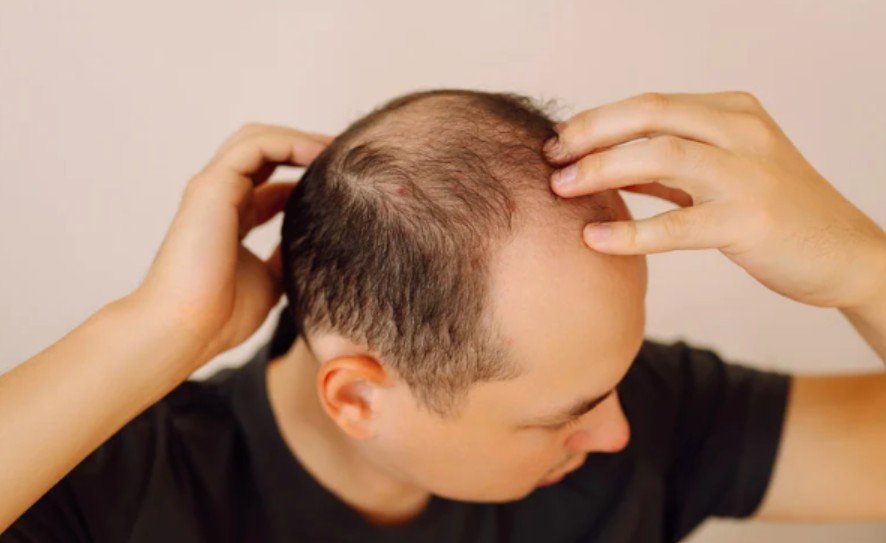
When I first began paying attention to scalp care, I realized that removing hair did not remove the need for skincare. A bare scalp faces sunlight, sweat, friction, dryness, oil buildup, and repeated contact with razors. Without basic care, it can become tight, flaky, shiny, irritated, or covered in razor bumps.
A bald head care routine for beginners does not need expensive products or complicated steps. A gentle cleanser, lightweight moisturizer, broad-spectrum sunscreen, and careful shaving technique create a strong foundation. The goal is to protect the skin barrier while keeping the scalp clean, smooth, and comfortable.
What Is the Simplest Bald Scalp Routine?
The easiest routine has three daily essentials: cleanse without stripping the skin, restore moisture, and protect the scalp from ultraviolet rays.
In the morning, rinse or cleanse the scalp, moisturize, and apply sunscreen. At night, remove sweat, excess oil, and sunscreen before moisturizing again. On shaving days, add proper preparation and aftercare.
For more practical inspiration, bald celebrity grooming routines to copy can show how well-known public figures combine cleansing, shaving, moisturizing, shine control, and scalp protection.
Step 1: Cleanse Without Drying the Scalp

A bald scalp still produces natural oil and collects sweat, dead skin, sunscreen, and environmental buildup. However, harsh body soap can remove too much protective oil and leave the skin feeling tight. Just as you would use gentle products to remove dead skin from your face, your scalp also needs a mild cleansing approach.
Use a mild facial cleanser or gentle scalp wash once daily. An oily scalp may need another cleanse after exercise, while dry or sensitive skin may only need cleanser at night.
Massage the product gently with your fingertips, rinse with lukewarm water, and pat the scalp dry with a clean towel. Avoid very hot water and aggressive scrubbing because both can increase dryness and irritation.
Do You Still Need Shampoo?
Shampoo is not always necessary when little or no hair remains. A gentle cleanser is often enough for daily care.
An occasional anti-dandruff shampoo may help when visible flakes come from dandruff rather than ordinary dryness. Persistent itching, redness, thick scaling, or recurring flakes should be checked by a dermatologist.
Step 2: Shave With Less Irritation
A smooth shave begins before the razor touches the scalp. Shave after a warm shower or hold a warm, damp towel against the head for a few minutes. This softens short hair and helps the razor move with less resistance.
Apply a fragrance-free shaving cream or gel and allow it to sit briefly. Use light pressure and shave in the direction of hair growth, especially if you are prone to ingrown hairs.
Rinse the blade frequently and avoid passing over the same area repeatedly. Too many passes can remove the scalp’s protective surface layer and cause burning, redness, or small cuts.
A manual razor can provide a very close finish, while an electric head shaver may be quicker and gentler for a new user. Whichever tool you choose, keep it clean and replace dull blades or worn cutting heads.
Many people shave every two or three days, while others prefer weekly trimming. Let comfort guide your schedule.
The experiences of celebrities who shaved their heads and grew hair back also show that scalp care remains important during both the shaved stage and the uneven regrowth period.
When redness or bumps remain, give the scalp more time to recover.
Step 3: Soothe the Scalp After Shaving
After shaving, rinse the scalp with cool or lukewarm water and gently pat it dry. Avoid heavily fragranced aftershaves and products containing large amounts of drying alcohol.
A thin layer of alcohol-free balm may calm temporary irritation. Ingredients such as aloe vera, panthenol, niacinamide, and allantoin can provide soothing hydration without leaving a heavy coating.
Minor redness should improve as the skin settles. Painful bumps, pus-filled spots, spreading redness, or repeated inflammation may indicate folliculitis or another condition that requires professional evaluation.
Step 4: Moisturize While the Skin Is Damp
Moisturizer supports the scalp’s protective barrier and helps reduce tightness, flaking, and excess shine caused by dehydration. Apply it shortly after cleansing or shaving while the skin is still slightly damp.
For an oily scalp, choose a lightweight, non-comedogenic gel or lotion. Dry skin may benefit from ingredients such as ceramides, glycerin, hyaluronic acid, or squalane.
Sensitive skin usually responds best to fragrance-free formulas with shorter ingredient lists. A matte moisturizer can reduce unwanted daytime shine, while a richer cream may feel more comfortable at night.
Apply enough product to cover the scalp evenly without creating a greasy layer.
Step 5: Protect the Scalp With Sunscreen

A bare scalp receives direct sunlight, making daily protection essential. Apply a broad-spectrum, water-resistant sunscreen with SPF 30 or higher every morning, including on cloudy days.
Cover the crown, hairline, temples, and the area behind the ears. When spending time outdoors, reapply sunscreen about every two hours and after swimming or heavy sweating.
Gel, fluid, and matte-finish sunscreens often spread comfortably across a bald scalp without leaving thick residue. A hat offers useful additional protection, but it should not replace sunscreen when parts of the scalp remain exposed.
Shaving-Day and Non-Shaving-Day Care
On shaving days, cleanse the scalp, soften the hair, apply shaving gel, shave gently, rinse, soothe, moisturize, and use sunscreen during daylight hours.
On non-shaving days, focus on cleansing, hydration, and sun protection. This simpler schedule gives the skin time to recover and reduces the risk of over-treating it.
Avoid introducing several active ingredients during the first few weeks. Keeping the routine simple makes it easier to identify which product may be causing irritation.
How Often Should You Exfoliate?
Exfoliation can remove accumulated dead skin and help keep follicles clear, but beginners should start slowly. Once-weekly exfoliation is usually enough during the adjustment period.
A gentle chemical exfoliant is often safer than a rough physical scrub. Salicylic acid may suit oily or lumps and bump-prone skin, while lactic acid may feel more comfortable on dry skin.
Do not exfoliate immediately before or after shaving. Combining a razor and an exfoliating acid on the same day can cause burning, sensitivity, and prolonged redness.
Frequently Asked Questions
1. What is the best bald head care routine for beginners?
Start with gentle daily cleansing, a moisturizer suited to your skin type, and broad-spectrum SPF 30 or higher. Add careful shaving and once-weekly exfoliation after the scalp has adjusted.
2. Should I moisturize my bald head every day?
Yes. Daily moisturizing supports the skin barrier and can reduce tightness, irritation, excess shine, and visible flakes.
3. Can I use regular face products on my scalp?
Many mild facial cleansers, moisturizers, and sunscreens work well on a bald scalp. Patch-test new products and stop using anything that causes stinging or prolonged redness.
4. How can I prevent razor bumps on my scalp?
Soften the hair before shaving, use shaving gel, shave in the direction of growth, apply light pressure, rinse the blade frequently, and avoid repeated passes over irritated areas.
Final Thoughts
I have found that consistency matters more than owning numerous grooming products. A clean scalp, comfortable moisturizer, careful shaving habits, and dependable sunscreen can prevent most everyday concerns before they become frustrating.
I would follow the basic routine for at least two weeks before adding exfoliants, serums, or specialized treatments. That slower approach makes it easier to understand what the scalp actually needs and which products it tolerates.
When unusual spots, painful bumps, persistent redness, or recurring scaling continue, professional dermatology advice is the safest next step.