I once assumed every bald-head shaving method produced nearly the same result. After comparing electric convenience with the smooth finish of a manual blade, I learned that the right choice depends on more than closeness.
Skin sensitivity, shaving frequency, stubble length, upkeep, and confidence around scalp curves all matter. This guide compares electric shaver vs razor for bald heads so you can choose a method that fits your routine.
How Each Method Cuts Scalp Hair
Electric shavers use guarded blades beneath rotary heads or foil. Rotary cutters move in circles and follow rounded scalp areas, while foil shavers work with short, straight strokes.
A manual razor places an exposed blade against lubricated skin. Cartridge razors are convenient, safety razors use single blades, and head-specific razors are shaped for scalp contours. Their handling, learning curves, and replacement costs differ.
Which Gives the Closest Shave?
A manual razor usually wins for closeness. With warm water, lubrication in the human body, a sharp blade, and light pressure, it can leave the scalp almost glass-smooth. The result may also stay smooth slightly longer.
An electric shaver normally leaves a tiny amount of texture, even when the scalp looks completely bald. Better rotary and foil models can still create a clean, polished appearance.
The practical question is whether extra closeness is worth more time and greater irritation risk. A quick electric shave every day or two may look better than a perfect manual shave delayed because the process feels inconvenient.
Which Is Better for Sensitive Skin?
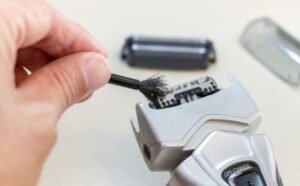
Electric shavers are often easier on sensitive or bump-prone scalps because a protective surface separates the blades from direct skin contact. They also reduce accidental nicks around scars, moles, folds, and uneven areas. Pressing too hard can still cause friction and redness.
Manual razors can suit sensitive skin when used with a clean blade, adequate lubrication, and gentle strokes. Shaving with the direction of growth is usually less aggressive than immediately shaving against it. Repeatedly scraping one patch increases irritation.
Pairing careful shaving techniques with one of the best moisturizers for a bald scalp can help reduce tightness, calm post-shave discomfort, and support the skin barrier.
Recurring razor bumps, painful ingrown hairs, persistent inflammation, or broken skin should be assessed by a medical professional.
Speed, Convenience, and Maintenance
Electric shavers clearly win for speed. Many work on dry skin, require little setup, and collect cut hair inside the head. Their rounded designs also make the crown and back easier to reach.
Manual shaving takes longer because the scalp must be softened, lubricated, shaved carefully, rinsed, checked, and moisturized. Beginners also need to learn their hair-growth pattern around the ears and neckline.
Electric tools still require cleaning, charging, and eventual head replacement.
Cost Over Time
A manual razor usually costs less initially, but cartridges, blades, and shaving products increase ongoing expenses. A safety razor may lower blade costs, although it requires more skill.
An electric shaver has a higher upfront price. Its value depends on build quality, replacement-head cost, battery life, warranty coverage, and parts availability. A cheap model can become expensive when worn components cannot be replaced separately.
Preparing the Scalp Correctly

Longer hair should be shortened with clippers before either finishing method. Heavy growth can cause pulling, clogging, missed areas, and unnecessary passes.
Clean the scalp first. For manual shaving, soften the hair with warm water and use a slick shaving cream or gel. For dry electric shaving, make sure the scalp is clean and fully dry unless the device supports wet use.
Work section by section with light pressure. Check the crown and back by touch, but stop once the skin feels warm or irritated.
Why a Hybrid Routine Works
A hybrid routine removes the need to choose one permanent winner. Use an electric shaver for fast maintenance every one or two days, then use a manual razor when maximum smoothness matters.
The grooming choices seen among the most stylish bald celebrities of all time show how alternating between quick maintenance and an ultra-smooth finish can support different outfits, events, and personal styles.
An electric tool can also shorten heavier stubble before a wet shave. This reduces razor passes and may improve comfort.
Bald-Scalp Aftercare
Rinse away hair and residue, pat the scalp dry, and apply a fragrance-free moisturizer. Avoid strongly fragranced or alcohol-heavy products when the skin feels tight.
A shaved scalp is directly exposed to sunlight, so use and choose broad-spectrum sunscreen and a hat when practical. Clean the shaving tool after every use and let it dry before storage.
Frequently Asked Questions
1. Is electric shaver vs razor for bald heads mainly about speed and closeness?
Mostly. Electric shavers prioritize convenience and reduced direct blade contact. Manual razors usually provide greater closeness. Skin comfort and shaving frequency should guide the final choice.
2. Can an Electric Shaver Make the Scalp Completely Smooth?
It can create a clean bald appearance, but most models leave slight texture that may be felt against the direction of growth.
3. Should I Shave My Head Wet or Dry?
Manual razors need water and lubrication. Electric use depends on the model. Some are dry-only, while wet-and-dry shavers support shaving products.
4. How Often Should a Bald Head Be Shaved?
Frequency depends on growth rate and preferred finish. Some people shave electrically every day or two, while manual shavers may wait longer. Never shave irritated skin.
Final Takeaways
I would choose electric for regular maintenance, rushed mornings, travel, and an easier learning curve. I would choose a manual razor when an exceptionally close finish matters more than speed.
For many people, the best answer is an electric shaver for routine upkeep and a manual blade for occasional extra smoothness. That combination offers flexibility without forcing comfort and closeness into the same compromise.