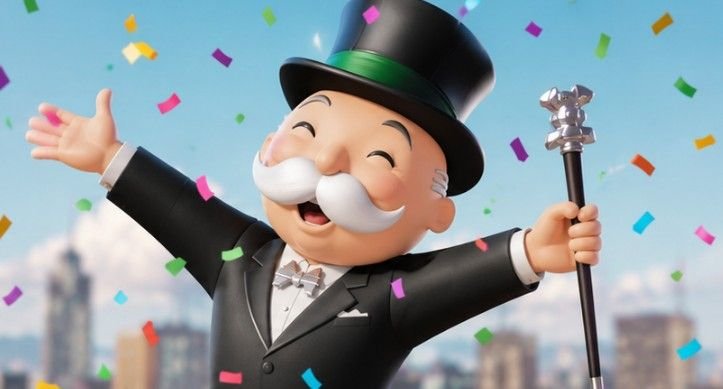
Board games have created some of the most recognizable characters in pop culture, and the Monopoly mascot is no exception. Many people remember the cheerful gentleman in a top hat, tuxedo, and monocle, convinced that this image has always been part of the game. However, our memories aren’t always as accurate as we think.
Exploring the story behind the Monopoly mascot reveals how nostalgia, collective memory, and the famous Mandela Effect have combined to create one of the internet’s most enduring misconceptions.
Key Takeaways
- Mascot officially named Milburn Pennybags back in 1946.
- Character never wore a monocle in standard board games.
- Collective false memory stems from the Mandela Effect.
- Ace Ventura movie scenes heavily reinforced the visual myth.
- Remains an undisputed pop culture icon across generations.
The Monopoly Memory Myth
Unpacking classic baldie the Monopoly Guy helps us understand how shared pop culture memories twist reality, blending movie parodies, vintage advertisements, and human psychology into fascinating entertainment myths. Many people confidently remember Mr. Monopoly wearing a monocle, even though the official character has never had one.
This widespread misconception is often linked to the Mandela Effect, where large groups of people recall the same false detail. Exploring this iconic memory mix-up reveals how films, cartoons, advertisements, and repeated online discussions can reshape our recollections, making fictional details feel surprisingly real over time.
Character Facts About the Gaming Tycoon
Before tackling the internet urban legends, let us review the confirmed historical details behind this famous mascot.
Real Name: Milburn Pennybags
Every legendary cartoon mascot carries a rich corporate history that spans nearly a century of entertainment.
Parker Brothers officially named the wealthy gaming mascot Milburn Pennybags back in 1946. Before receiving his formal moniker, players simply recognized his distinguished face across various property cards and game box lids. In 1999, Hasbro rebranded the character to Mr. Monopoly, cementing his status as an international pop culture icon.
First Appearance: 1936 on Chance and Community Chest Cards
The character did not debut on the original game board layout during its initial launch year. Artist Daniel Fox introduced the cartoon figure in 1936, drawing visual inspiration from Gilded Age financier J.P. Morgan.
The artwork first appeared on early Chance and Community Chest action cards to add visual flair to player events. His charming design quickly became the central face for every official box release that followed across the globe. He remained comfortable with his baldness throughout.
Signature Look: Top Hat, Bow Tie, Tailcoat, and Walking Cane
A carefully crafted visual identity ensured this cartoon tycoon stood out on store shelves everywhere. His timeless wardrobe features a tall black top hat, a red bow tie, a sharp black tailcoat, and a curved wooden walking cane.
This distinctive high-society ensemble immediately signaled wealth, luxury, and Wall Street prestige to players of all ages. Noticeably absent from his official signature attire, however, is any form of corrective eyewear or facial glass.
The Monocle Myth Debunked
Investigating the mysterious missing eyewear uncovers how collective memory glitches spread across society.
No Monocle: He Has Never Worn a Monocle in Any Official U.S. Game Edition
Examining vintage archives exposes a startling truth that surprises lifelong board game lovers.
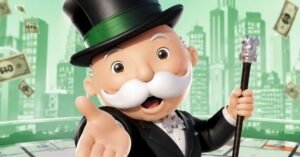
Despite what millions of passionate gamers swear they remember from childhood, the mascot has never worn a monocle in any standard U.S. board game edition. From classic 1930s paper sets to modern digital video games, his eyes remain completely uncovered. This widespread misunderstanding represents one of the most famous examples of the psychological Mandela Effect in modern entertainment.
Brain Shortcut: People Mix Him Up With Other Wealthy Icons Like Mr. Peanut
Human memory relies on visual shortcuts that easily blend similar character designs together over time.
Psychologists point out that people naturally associate top hats and tuxedos with single-lens monocles due to old-money tropes. Furthermore, pop culture consumers constantly conflate Rich Uncle Pennybags with Planters mascot Mr. Peanut, who actively sports a monocle alongside his top hat and cane. Hollywood films like Ace Ventura: When Nature Calls further cemented the confusion through famous comedy parodies.
Channeling Classic Baldie the Monopoly Guy for Fun Costumes
Bringing classic baldie the monopoly guy to life for Halloween or themed events requires following straightforward styling steps.

To transform into the legendary board game icon, start by assembling a classic black tailcoat jacket, dark dress trousers, and a crisp red bow tie. Place a high-quality black top hat on your head and carry a curved wooden walking stick to replicate his wealthy silhouette.
Next, apply a bushy white handlebar mustache across your upper lip and tote a canvas draw-string money bag stamped with a bold dollar sign.
Finally, decide whether to stay true to actual game history by leaving your face bare or wear a fake monocle to match what party guests expect to see.
Frequently Asked Questions
1. Who is the original Monopoly guy?
The original mascot is Rich Uncle Pennybags, who was later officially named Mr. Monopoly. Artist Daniel Fox created the character in 1936, modeling his rich appearance after American industrialist J.P. Morgan.
2. Did the Monopoly guy have a monocle ever?
No, he has never worn a monocle in any standard U.S. edition of the Monopoly game. His character design has consistently featured clean eyes without any eyewear across official board game releases.
3. Did the Monopoly guy ever have an eyepiece?
He never wore an eyepiece on standard U.S. game boxes, chance cards, or play money. The popular belief that he wore a single glass eyepiece stems entirely from the Mandela Effect.
4. Did the Monopoly guy ever have a spectacle?
No official release has ever depicted him wearing spectacles or reading glasses. The idea that he wore corrective eyewear remains a collective false memory shared across generations.
Bunking the Myths of Classic Baldie the Monopoly Guy
The story behind classic baldie the Monopoly Guy proves that our memories are not always as reliable as we believe. Over the years, pop culture, advertisements, and the Mandela Effect have blended fact with fiction, leading many people to remember a monocle that never existed.
Whether you’re a lifelong Monopoly fan or simply curious about iconic characters, understanding the truth makes the game’s history even more fascinating. The next time you open a Monopoly box, you’ll see Mr. Monopoly with a fresh perspective—and maybe even settle the monocle debate once and for all.