
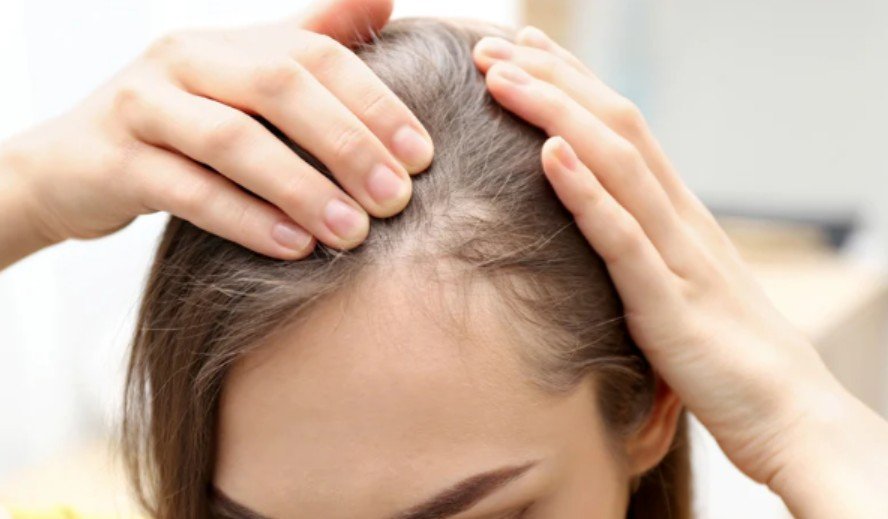
A shaved head can look smooth while still holding dead skin, oil, sweat, sunscreen, and shaving residue. I learned that harder scrubbing only made my scalp tight and sensitive. Controlled exfoliation works better.
Learning how to exfoliate a bald scalp safely can reduce rough texture, visible flakes, clogged pores, and ingrown hairs without creating razor burn. The goal is to remove loose buildup while protecting the moisture barrier.
Why a Bald Scalp Needs Exfoliation
The scalp keeps producing oil and shedding dead cells even without hair. Because the skin is exposed, buildup may appear as dull patches, small bumps, uneven texture, or flakes around the crown and shaving line.
The polished results seen in celebrity bald transformations before and after also show how smooth texture and a healthy-looking scalp can strengthen the overall appearance of a shaved-head style.
Exfoliation can create a cleaner shaving surface and help skincare products spread evenly. Thick scale, severe itching, bleeding, inflamed bumps, or recurring patches may require professional advice.
Choose the Right Exfoliation Method
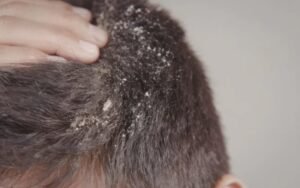
Physical Exfoliation
Physical exfoliation uses a soft washcloth, silicone brush, or fine scrub to loosen surface buildup, but it is easy to overdo.
Avoid coarse salt, rough sugar, stiff brushes, and aggressive rubbing. Recently shaved skin may contain tiny abrasions, so use light pressure and stop if the scalp stings.
Chemical Exfoliation
Chemical exfoliants loosen dead skin without scrubbing. Salicylic acid suits oily, clogged, or bump-prone skin. Lactic acid may suit dry skin, while glycolic acid can feel stronger.
Beginners should choose a low-strength, rinse-off product or a formula made for sensitive skin. Do not combine several exfoliating acids in one routine.
Prepare Your Scalp First
Delay exfoliation if you see fresh cuts, sunburn, raw patches, irritation, or open bumps. Retinoids, benzoyl peroxide, and other strong actives may also increase sensitivity.
Patch-test for skin allergies a new product behind the ear or near the back of the scalp. Follow the label and watch for persistent redness, burning, swelling, or itching.
Clean the scalp with lukewarm water and a mild, fragrance-free cleanser. Hot water can worsen dryness.
A Safe Step-by-Step Method
Step 1: Apply a Small Amount
Use enough product to create a thin, even layer. More will not produce faster or safer results. Keep it away from cuts and irritated areas.
Step 2: Use Gentle Movements
For a physical exfoliant, massage with your fingertips in small circles for 20 to 30 seconds. Never use fingernails. For a chemical product, spread it evenly without rubbing and leave it on only as long as directed.
Step 3: Rinse Thoroughly
Rinse with lukewarm water until no product remains. Pat the head dry with a clean towel rather than rubbing.
Step 4: Restore Moisture
Apply a lightweight, fragrance-free moisturizer while the skin is slightly damp. Glycerin, ceramides, hyaluronic acid, and squalane can help maintain comfort without excessive shine.
During the day, protect the exposed scalp with broad-spectrum sunscreen. Exfoliating acids can make skin more sensitive to sunlight.
Should You Exfoliate Before or After Shaving?
Avoid exfoliating immediately after a close shave. A razor can create microscopic damage even when no cuts are visible, so acids or scrubs may burn.
For many people, the safest schedule is a non-shaving evening. When exfoliating before shaving, use a mild method and allow the scalp time to settle. Never use a strong scrub immediately before a close shave.
If you shave daily, exfoliate at night and shave the next morning only when the scalp feels calm. People prone to razor bumps may prefer mild salicylic acid on a separate day instead of repeated scrubbing.
How Often Should You Exfoliate?
Begin once a week. If the scalp remains comfortable, oily or bump-prone skin may tolerate twice-weekly exfoliation. Dry or sensitive skin may need treatment only every seven to ten days.
Following a bald scalp care in hot weather routine can help you adjust exfoliation around increased sweating, sun exposure, frequent cleansing, and sunscreen buildup.
Reduce the frequency during dry weather, after prolonged sun exposure, or whenever the scalp is irritated. Daily exfoliation can weaken the skin barrier and create more flaking.
Signs You Are Over-Exfoliating
Persistent redness, burning, tenderness, tightness, shiny raw-looking skin, increased peeling, or sudden sensitivity to moisturizer are warning signs. Stop exfoliating and use gentle cleansing, moisturizer, and sun protection until the scalp recovers.
Seek medical advice if symptoms are severe, keep returning, or include swelling, pus-filled bumps, bleeding, thick plaques, or spreading inflammation.
Frequently Asked Questions
1. How to exfoliate a bald scalp safely with sensitive skin?
Start with a gentle lactic acid product or soft washcloth once every seven to ten days. Patch-test first, avoid freshly shaved skin, use light pressure, and moisturize afterward.
2. Can I use a face exfoliant on my bald head?
A mild facial exfoliant may work if the label permits it and the ingredients do not irritate your scalp. Test a small area first.
3. Does exfoliation prevent ingrown hairs?
It may reduce buildup that traps short hairs, but shaving technique matters too. Use a clean, sharp razor, limited pressure, and fewer passes.
4. Can I Exfoliate a Dry, Flaky Scalp?
Yes, but flakes are not always simple dryness. Try a gentle hydrating exfoliant and stop if symptoms worsen. Persistent itching or thick scale should be evaluated instead of scrubbed aggressively.
The Smooth Finish
I get better results when I treat scalp exfoliation as maintenance rather than a deep-cleaning challenge. A mild product, light pressure, sensible timing, and immediate moisture matter more than strength.
The safest routine starts slowly and responds to what the skin shows. When my scalp feels calm, smooth, and comfortable, I do not add more exfoliation. Consistency protects the finish; aggression usually disrupts it.